

Most people wait until retirement to speak honestly about the industries they spent decades serving. By then, the risks are gone. Careers are secure. Reputations are protected.
Speaking up earlier often comes with consequences: stalled careers, closed doors, and quiet pressure to stay in line.
I am not willing to wait until it is safe or convenient.
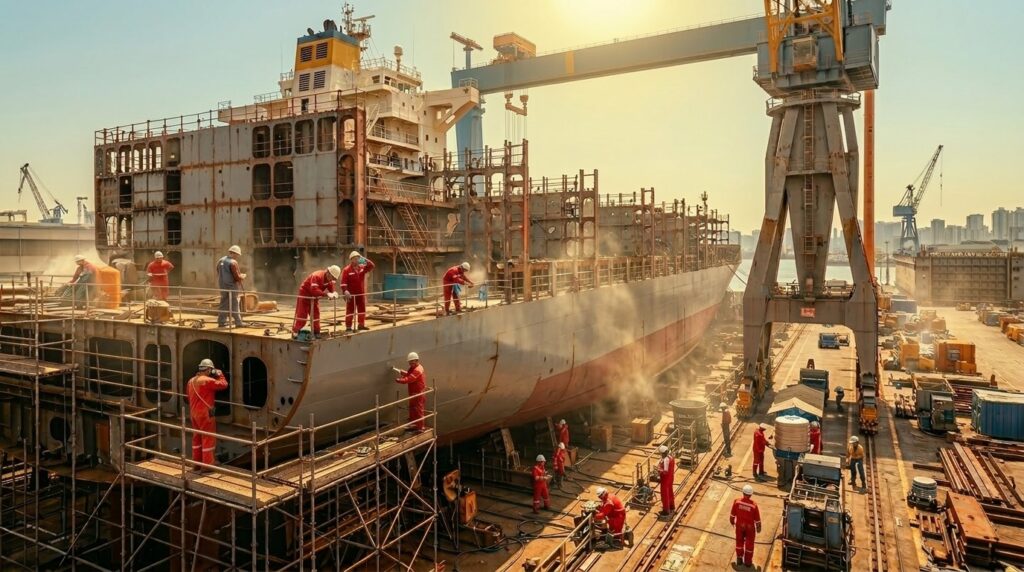
I have spent more than a decade around the shipbuilding industry, particularly within the submarine industry. What I have witnessed is not an industry starved of funding, but one drowning in resources while producing worse outcomes year after year. Costs continue to rise. Schedules continue to slip. Yet the same problems repeat themselves with remarkable consistency.
Billions are poured into shipbuilding under the banner of national defense and naval readiness. In return, taxpayers are too often given delays, overruns, and carefully managed narratives designed to highlight “progress” instead of measurable results.
When performance declines, the response is almost always the same: more funding, more studies, more layers of management, more initiatives, and more presentations explaining why improvement is just around the corner.
Meanwhile, the deck plate tells a different story.
Shipyards hire aggressively, then struggle to retain workers because planning and coordination failures leave skilled tradespeople sitting idle for hours at a time. Many leave within the first year. Suppliers are blamed for delays they did not create. Production schedules shift constantly. Problems identified years ago remain unresolved while new task forces are assembled to study the same issues again.
This is not a workforce problem.
It is not a supplier problem.
It is an accountability problem.
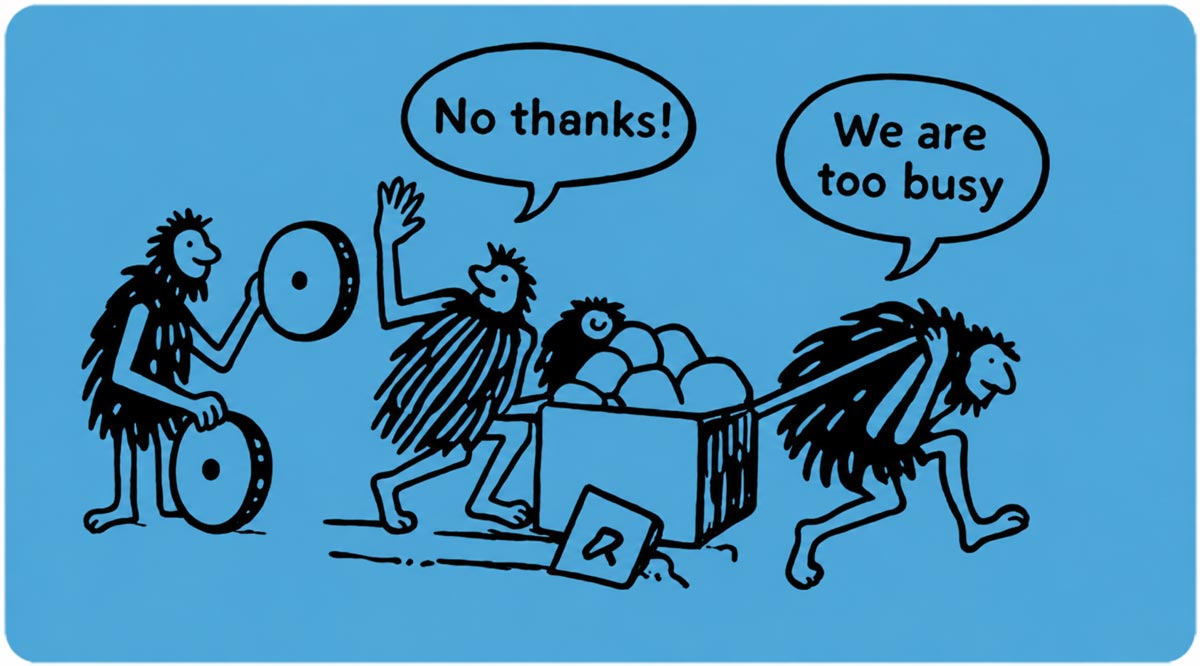
Layer upon layer of management separates decision-makers from the realities of the production floor. By the time information reaches senior leadership, it has often been polished into charts, metrics, and slide decks designed to reassure rather than inform. Real operational problems rarely survive the trip upward unfiltered.
Everyone inside the industry sees it.
Reports are written.
Panels convene.
Promises are made.
Very little changes.
Why? Because the system still works for the people operating inside it.
Poor performance rarely carries meaningful consequences. Cost overruns are absorbed. Delays are normalized. Follow-on contracts continue flowing through a highly consolidated industrial base with limited competitive pressure to improve.
At the same time, many of the people with the deepest operational knowledge, the ones who spent years solving problems on the deck plate and at sea, are too often sidelined while executives, agencies, and committees recycle the same reform language that has failed to deliver meaningful results for decades.
I have benefited from this industry and I am not pretending otherwise. But after years of watching the same failures repeated under new slogans and new initiatives, silence begins to look too much like complicity.
The frustrating part is that the solutions are not mysterious. The industry is filled with experienced shipbuilders, suppliers, tradespeople, and military leaders who understand exactly where the bottlenecks are and how to improve them. What is missing is not expertise. It is the willingness to challenge incentives, simplify bureaucracy, and hold leadership accountable for measurable outcomes.
Shipbuilding should operate with the same standards expected of any serious business. Budgets should matter. Schedules should matter. Performance should matter. Accountability should apply equally at every level.
The challenges facing shipbuilding are not unique to shipbuilding. They exist across large manufacturing environments where bureaucracy grows faster than execution and where effort is rewarded more consistently than results.
The United States still has the talent, capability, and industrial capacity to build world-class ships. That has never been the issue.
The real question is whether the industry is finally willing to confront the structural and leadership failures that continue holding it back.
—LPK Contributor
Scan the QR code to download a PDF copy of this article.

Like this article? Comment below or share!